
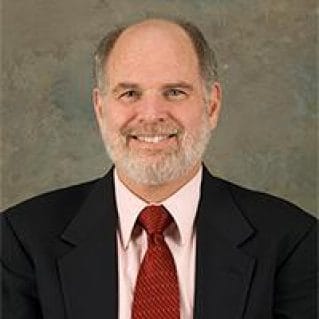
Steven Heeringa
Senior Research Scientist, University of Michigan
Steven Heeringa is a Senior Research Scientist at the University of Michigan Institute for Social Research (ISR) where he is Director of the Statistical Design Group. He is a member of the Faculty of the University of Michigan Program in Survey Methods and the Joint Program in Survey Methodology at the University of Maryland. Heeringa is a Fellow of the American Statistical Association and elected member of the International Statistical Institute. He is the author of many publications on statistical design and sampling methods for research in the fields of public health and the social sciences. Heeringa has over 35 years of statistical sampling experience in the development of the ISR's National Sample design, as well as research designs for the ISR's major longitudinal and cross-sectional survey programs.
By This Author

Multiple Imputation of Missing Data Using SAS®
By Patricia Berglund and Steven Heeringa
Written for users with an intermediate background in SAS programming and statistics, this book is an excellent resource for anyone seeking guidance on multiple imputation. It provides both theoretical background and practical solutions for those working with incomplete data sets in an engaging example-driven format.
Featured Authors
-
 Robert N. Rodriguez retired from SAS in 2018 after serving as a senior director in research and development. Bob received a PhD in statistics from the University of North Carolina at Chapel Hill and was a research statistician at General Motors Research Laboratories before joining SAS.
-
 Ron Klimberg, PhD, is a professor at the Haub School of Business at Saint Joseph's University in Philadelphia, PA.
-
 Terisa Roberts is a director and Global Solution lead for Risk Modeling and Decisioning at SAS. She has extensive experience in quantitative risk management, regulatory compliance, and model governance and validation. She has worked in financial services, telecommunications, government, energy, and retail sectors.
-
 Todd Case has been working in the pharmaceutical industry as a statistical programmer for over 20 years. He completed his MS in Epidemiology from Columbia University and has worked at Forest Laboratories (now Allergan), Genentech, Bristol-Myers Squibb, and Biogen. He currently works at Vertex Pharmaceuticals.