SAS Lineage
SAS Lineage is a web-based
diagram component for visualizing relationships between objects. It
is used as a stand-alone lineage and relationship viewer that can
be accessed by SAS database management and business intelligence applications.
The component has two modes:
-
A network diagram displays all relationships.
-
Two left-to-right dependency diagrams are available: one that displays data governance information (governance) and another that displays parent and child relationships only (impact analysis).
The relationship information
displayed in these diagrams is drawn from the Relationship database
that is a part of the Web Infrastructure Platform Data Server.
SAS Lineage can display
most types of SAS metadata. This includes data objects, including
columns, tables, external files, information maps, reports, stored
processes, SAS Enterprise Guide projects and associated objects, and
the levels and measures in OLAP cubes. You can also display objects
created in SAS Business Data Network, such as terms, tags, and associated
items.
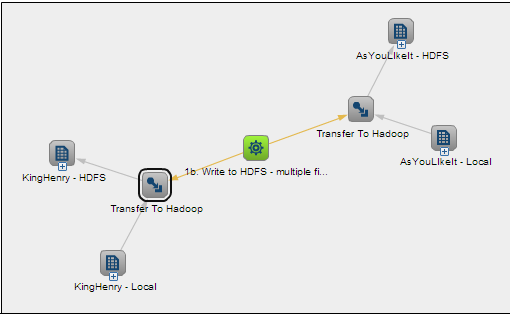
Lineage and impact analysis
include the following features:
-
a shared store for all relationship information, called the SAS relationship service. Most SAS products and object types are now integrated into the SAS relationship service.
-
the ability to import content from third-party sources.
-
enhancements to the relationships web viewer to add a number of new views for displaying information stored in the service.
-
views for Relationships and Data Governance. These views are named All Relationships, Governance, and Impact Analysis.
You can also create
your own views using the filtering capabilities of the viewer. This
can help you subset the information to only the objects and relationships
that you want to see.
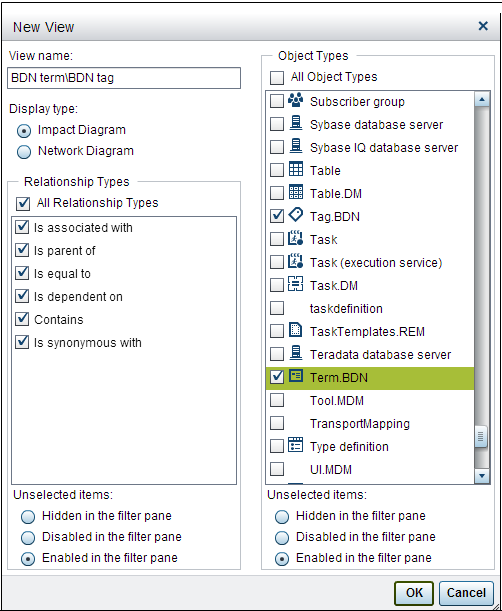
In addition, there are
helpful features such as grouping node sets, which enable you to expand
on demand, and an overview window with details of objects. Metadata
from external systems can be imported with a batch API and metadata
bridges to third-party systems. This capacity enables you to see lineage
of objects that go beyond the SAS environment.
Copyright © SAS Institute Inc. All rights reserved.